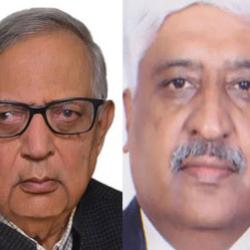
Brig Arun Sahgal, Ph D, (Retd.) and Lt Col Manoj K Channan, (Retd.)

Brig Arun Sahgal, Ph D, (Retd.) and Lt Col Manoj K Channan, (Retd.)

About Brig Arun Sahgal, Ph D, (Retd.) and Lt Col Manoj K Channan, (Retd.)

More From Brig Arun Sahgal, Ph D, (Retd.) and Lt Col Manoj K Channan, (Retd.)

Gulf Crisis: Pakistan Hosts the Table; India Influences the Room (Part V)

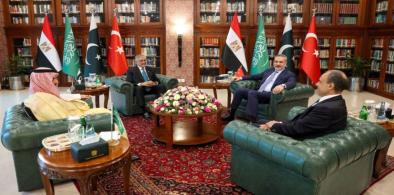
India’s role in the Middle East crisis is defined not by presence at negotiation tables but by its ability to sustain stability around them.While Pakistan facilitates talks between the US and Iran in Islamabad, India underwrites the broader security architecture through its maritime presence, economic weight, and multi-aligned diplomacy.

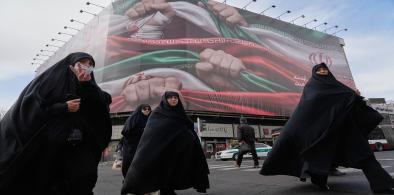
Iran at the Crossroads: In a Changing Region, Tehran’s Critical Choices Could Shape Change (Part IV)

Iran's demonstrated endurance to maintain its intrinsic rights to nuclear enrichment as an NPT state even under sanctions and its willingness to escalate without collapsing, is an important consideration for the Iranian regime. This issue was centre stage at the collapsed Islamabad negotiations. How Iran shapes its stand will be centre piece of…

The Strait as Leverage: Hormuz the New Geometry of Power? (Part III)

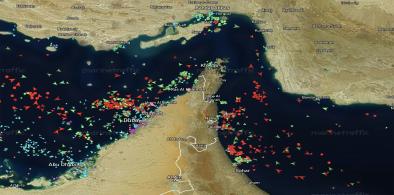
Iran’s role in this transformation is central. Its ability to influence the Strait has reshaped strategic thinking across the region and beyond. External powers must now operate within constraints that did not exist before. For the Gulf states, the implications are immediate and tangible. Their economic lifelines pass through this narrow…

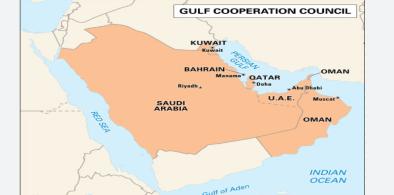
Shaken Shields: Turning Point for Gulf States (Part II)

The emerging framework is likely to be more complex and less centralised. It may involve a mix of external partnerships, regional cooperation, and internal capacity building. It will also require a different mindset, one that accepts uncertainty as a constant factor.

A Ceasefire Without Peace: Breathing Space for Difficult Compromises or Interval Before Next Confrontation? (Part I)

The most urgent and vital issue is the future management of the Strait of Hormuz. This narrow waterway supports a large part of the world’s energy supply. For many years, its security relied on Western naval dominance. That belief has now been challenged.Iran has demonstrated it can disrupt, threaten, and influence traffic…